Great Barrier Reef Scenic Flights
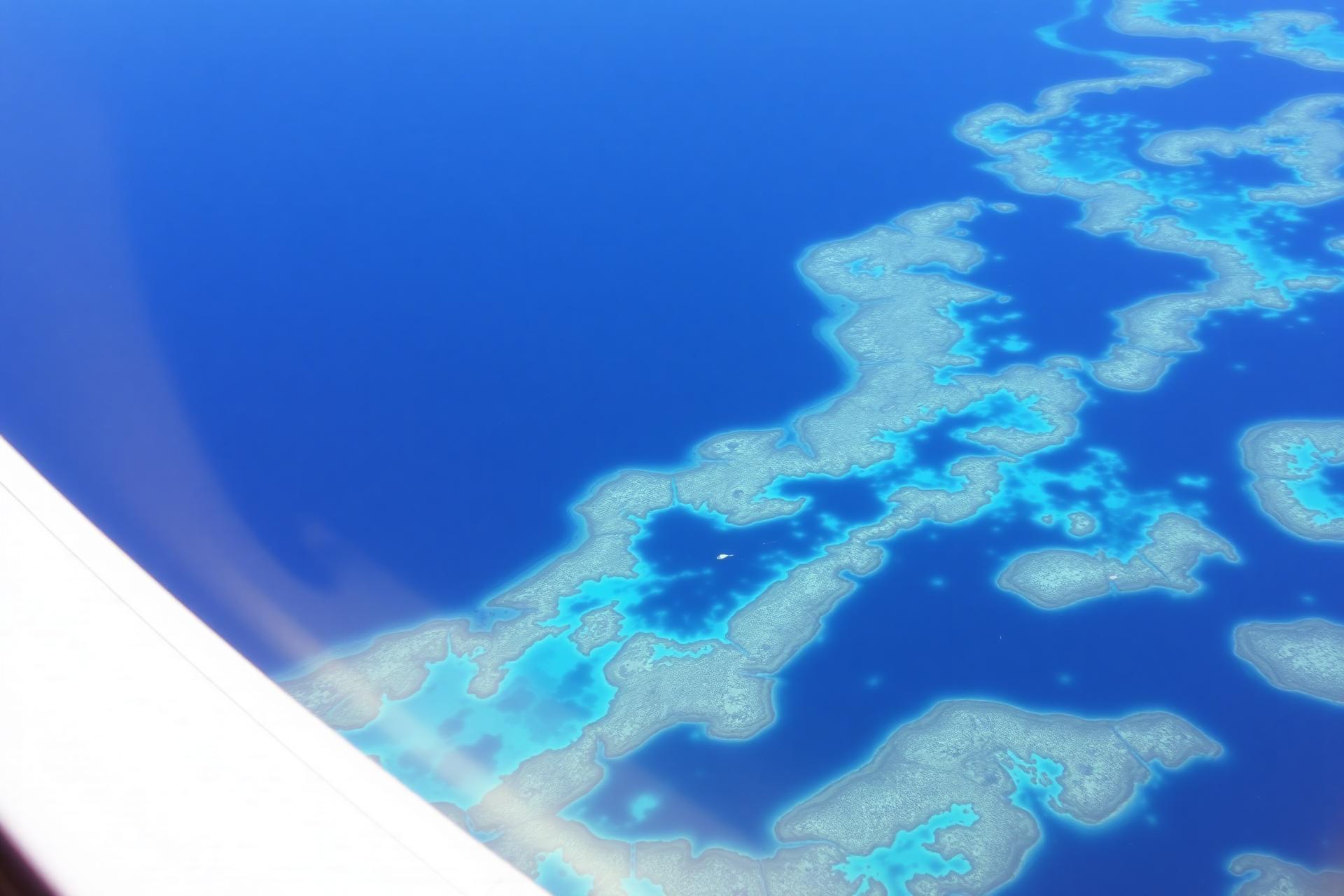
The Great Barrier Reef stretches 2,300 km along the Queensland coast. A scenic flight is the only way to grasp its scale — from the air you can see the ribbon reefs, sand cays, coral gardens and dark blue channels that no boat tour can show you.
Why fly over Great Barrier Reef
Flights depart from Cairns, Port Douglas, Airlie Beach and Hamilton Island. The two best-known sections are the Cairns / Port Douglas outer reef (Agincourt, Vlasoff Cay, Upolu Cay) and the Whitsundays outer reef (Hardy Reef, Heart Reef, Bait Reef).
Trip times
Coastal and inner-reef flyover. Best for budget or short on time.
The sweet spot — out to the outer ribbon reefs and back.
Includes a sand cay landing or pontoon snorkel time.
Fly out, snorkel/dive, fly back. Often includes lunch.
Aircraft available
Cairns to Vlasoff Cay or Upolu Cay landings. Whitsundays sandbar landings. 4–6 seats.
The classic reef experience — water landings at remote sand cays or pontoons. 6–10 seats.
Best value. Cessna Caravans and Grand Caravans operate from Cairns, Proserpine and Hamilton Island.
Best time of year
Dry season — clear skies, low humidity, 20–25 m underwater visibility. Peak whale season July–September.
Coral spawning (one week after the November full moon). Warm and humid.
Wet season. Stinger season for swimming. Morning flights are most reliable.
Shoulder — settled weather returns, fewer crowds.
What to expect
- 01Underwater visibility is best on calm days with low wind — book morning flights.
- 02Cairns reef has more sand cay landing options; Whitsundays reef has Heart Reef and pontoon options.
- 03Window seats are usually assigned by weight and balance — request the side facing the reef.
- 04All commercial reef flights pay an Environmental Management Charge ($6.50 pp) on top of the ticket price.
Where to fly to Great Barrier Reef from
FAQs
What's the best Great Barrier Reef scenic flight?
Cairns offers easier outer reef access and cay landings; the Whitsundays offers Heart Reef and beach landings. Both are world class — pick based on where you're already staying.
Are reef flights weather dependent?
Yes. Operators cancel for low cloud, high wind or poor visibility, and rebook or refund. Always allow a buffer day if it's a bucket-list flight.